(akb)®
Local time:

/Darling, lets talk about me!
/Darling, lets talk about me!
/Darling, lets talk about me!
/Darling, lets talk about me!
(akb)®
UX Research, Learning Experience Design, and Artificial Intellenge are my passions!
I’m Annie, a Utah native & User Experience Researcher fueled by strategic curiosity and its power to transform lives.
I work full-time and run Curio on the side; a tiny story studio building SEL adventures for kids ages 6–15, grounded in research-led, human-first approaches to learning and AI.
/001/

/Me, Myself, & I
Nerdy with a splash of creativity & curiosity
/001/
/Me, Myself, & I
Nerdy with a splash of creativity & curiosity
/001/
/Me, Myself, & I
Nerdy with a splash of creativity & curiosity
/002/
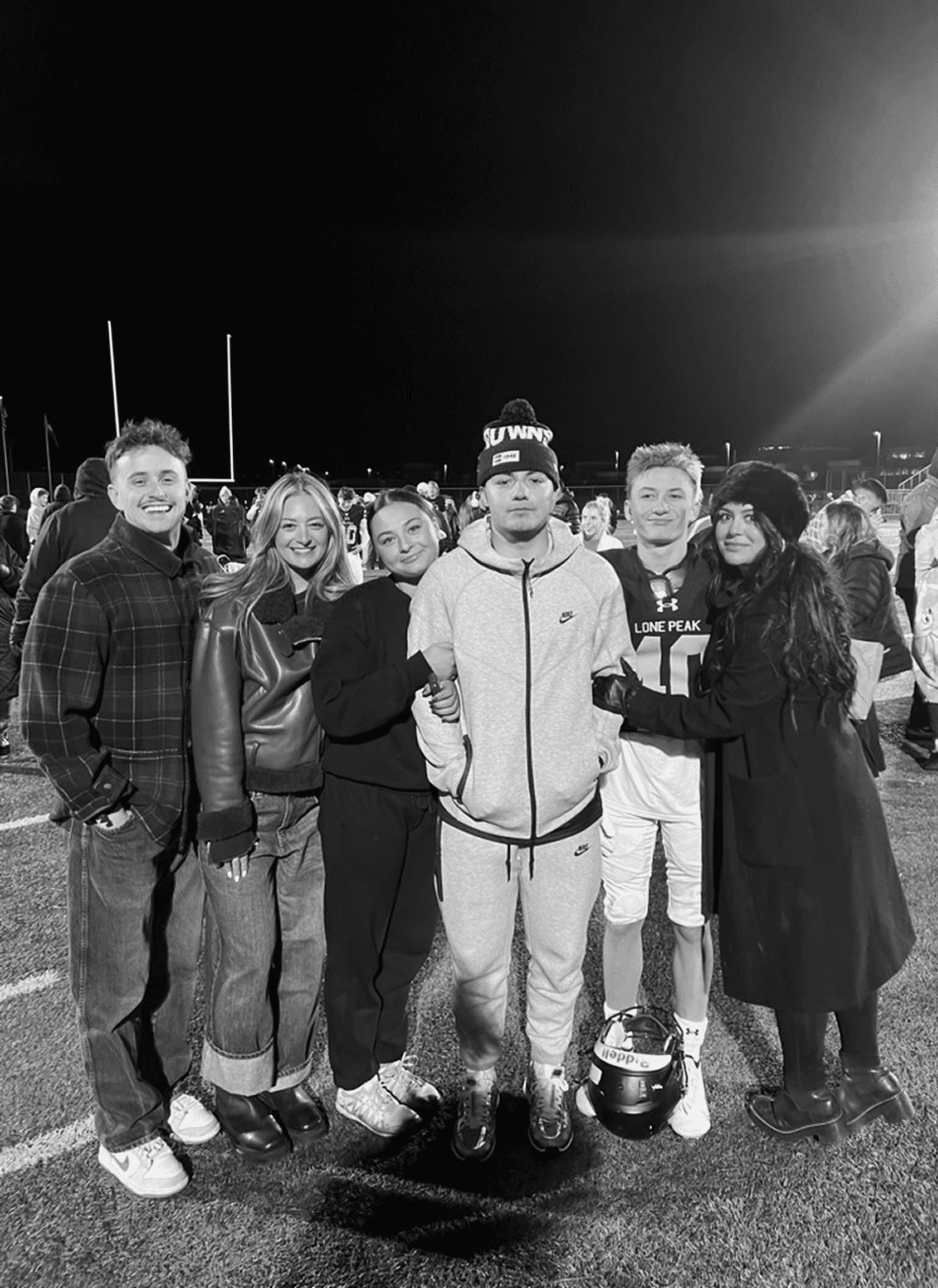
/My Family
The light & joy of my life
/002/
/My Family
The light & joy of my life
/002/
/My Family
The light & joy of my life
/003/
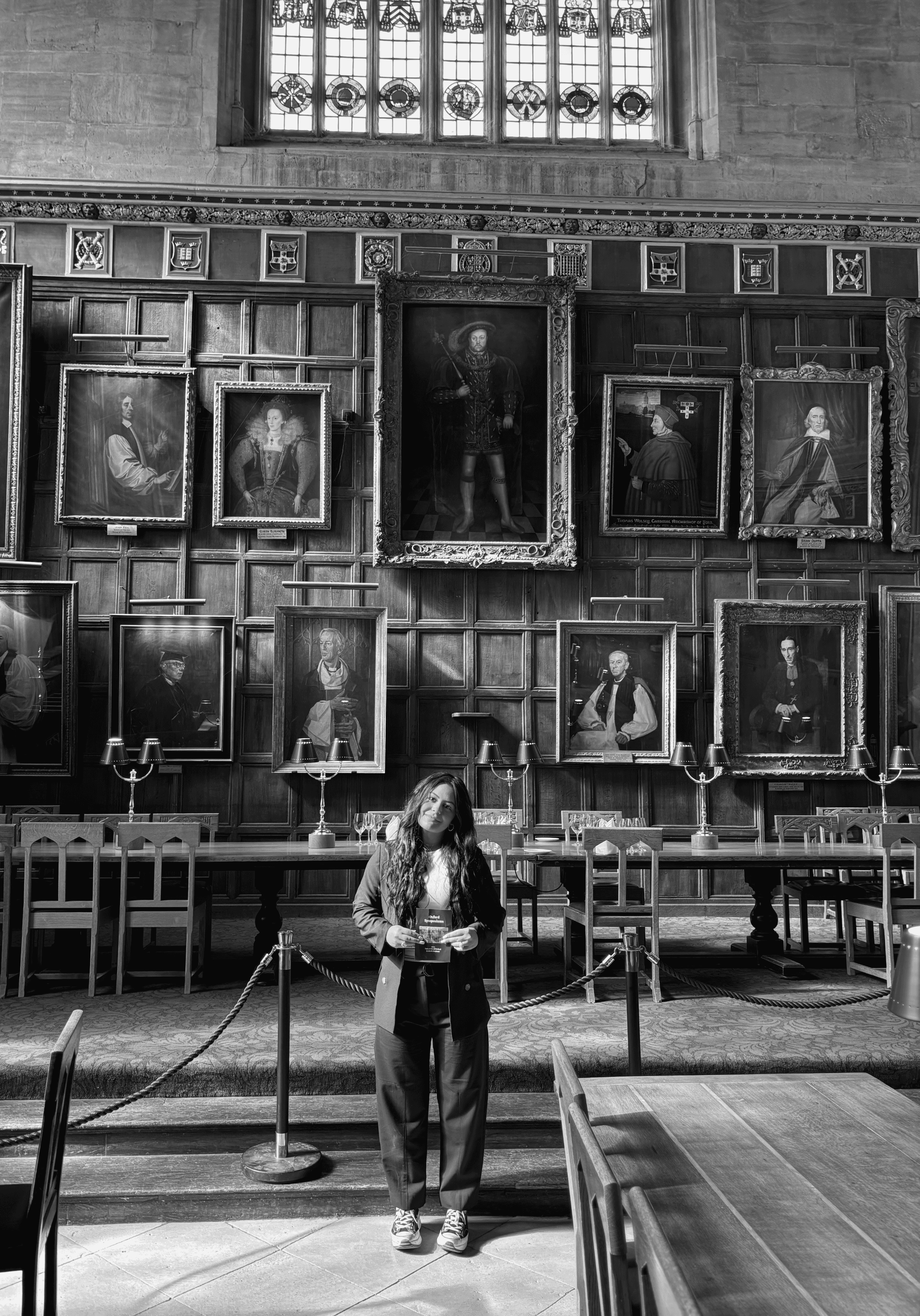
/My Dream
Own a cottage in Oxford England
/003/
/My Dream
Own a cottage in Oxford England
/003/
/My Dream
/004/

/My Company
Currently I work at Mindsmith AI
/004/
/My Company
Currently I work at Mindsmith AI
/004/
/My Company
/005/

/My Passtimes
Cycling, running, researching, & floral/interior design to name a few
/005/
/My Passtimes
Cycling, running, researching, & floral/interior design to name a few
/005/
/My Passtimes
Cycling, running, researching, & floral/interior design to name a few
/006/

/My Current Obsession
Leveraging AI in education
/006/
/My Current Obsession
Leveraging AI in education
/006/
/My Current Obsession
Leveraging AI in education
/007/

/My Inspiration
Jesus Christ
/007/
/My Inspiration
Jesus Christ
/007/
/My Inspiration
/008/

/My Style
Preppy & Sport Chic
/008/
/My Style
Preppy & Sport Chic
/008/
/My Style
In this moment, I'm aware, living as I do in the world, that I am an atom in the universe, possessing infinite possibilities of development. I want to explore these possibilities.
In this moment, I'm aware, living as I do in the world, that I am an atom in the universe, possessing infinite possibilities of development. And I want to explore these possibilities.
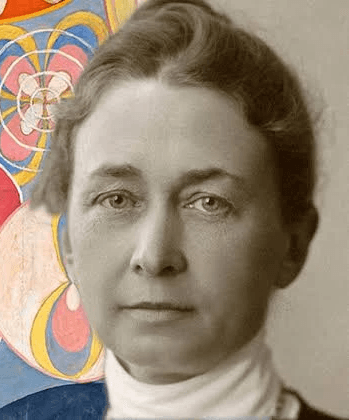
/Hilma af Klint
Artist & Botanist
/Skill's
/Research
/Research
/003/
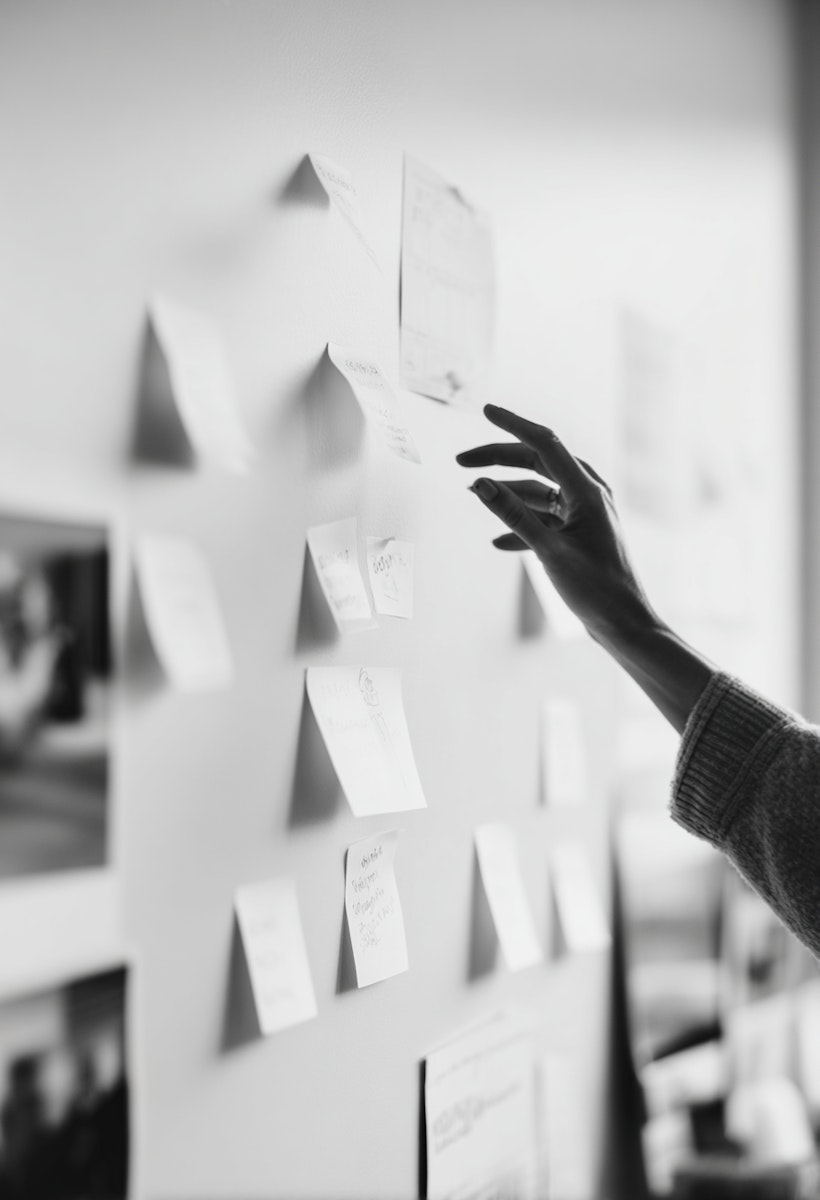
Sharp insights start with curious questions. I run mixed-methods research (interviews, usability studies, surveys, and thematic analysis) to surface what users actually need (which is often different from what they say). Skills in both qual & quant.



/Learning Design
/Learning Design
/001/
I design learning experiences grounded in how people actually learn, from full course development to assessment, iteration, and reflective practice. Each scenario, prompt, and pause is built to do real work for the learner, not just fill a slide.


/Design & Branding
/Design & Branding
/002/
Good design does more than look pretty — it earns trust. I shape brand identities, illustration systems, and UI that feel as considered as the work behind them.



/Strategy
/Strategy
/004/
Smart moves start with honest evidence. I translate research into strategic recommendation; prioritized, actionable, and grounded in what's actually feasible to ship.


/Skill's
/Research
/Research
/003/
Sharp insights start with curious questions. I run mixed-methods research (interviews, usability studies, surveys, and thematic analysis) to surface what users actually need (which is often different from what they say). Skills in both qual & quant.
/Learning Design
/Learning Design
/001/
I design learning experiences grounded in how people actually learn, from full course development to assessment, iteration, and reflective practice. Each scenario, prompt, and pause is built to do real work for the learner, not just fill a slide.
/Design & Branding
/Design & Branding
/002/
Good design does more than look pretty — it earns trust. I shape brand identities, illustration systems, and UI that feel as considered as the work behind them.
/Strategy
/Strategy
/004/
Smart moves start with honest evidence. I translate research into strategic recommendation; prioritized, actionable, and grounded in what's actually feasible to ship.
/Skill's
/Research
/Research
/003/
Sharp insights start with curious questions. I run mixed-methods research (interviews, usability studies, surveys, and thematic analysis) to surface what users actually need (which is often different from what they say). Skills in both qual & quant.
/Learning Design
/Learning Design
/001/
I design learning experiences grounded in how people actually learn, from full course development to assessment, iteration, and reflective practice. Each scenario, prompt, and pause is built to do real work for the learner, not just fill a slide.
/Design & Branding
/Design & Branding
/002/
Good design does more than look pretty — it earns trust. I shape brand identities, illustration systems, and UI that feel as considered as the work behind them.
/Strategy
/Strategy
/004/
Smart moves start with honest evidence. I translate research into strategic recommendation; prioritized, actionable, and grounded in what's actually feasible to ship.
/Skill's
/Research
/Research
/003/
Sharp insights start with curious questions. I run mixed-methods research (interviews, usability studies, surveys, and thematic analysis) to surface what users actually need (which is often different from what they say). Skills in both qual & quant.
/Learning Design
/Learning Design
/001/
I design learning experiences grounded in how people actually learn, from full course development to assessment, iteration, and reflective practice. Each scenario, prompt, and pause is built to do real work for the learner, not just fill a slide.
/Design & Branding
/Design & Branding
/002/
Good design does more than look pretty — it earns trust. I shape brand identities, illustration systems, and UI that feel as considered as the work behind them.
/Strategy
/Strategy
/004/
Smart moves start with honest evidence. I translate research into strategic recommendation; prioritized, actionable, and grounded in what's actually feasible to ship.
/Stories.
/Stories.
Annie was professional, thorough, and thoughtful. She demonstrated a deep knowledge of ux research best practices and helped us to refine our development priorities. I was very happy with how she represented our work to faculty stakeholders. She also turned around a very thorough report in a very short timeline. She was great and I look forward to working with her on future projects!

/Sophia L.
Duke University
Clients don't hire me for a checklist of skills. They hire me, and continue to work with me, because I approach their questions with care and translate them into high-quality research and design that drives measurable return on investment.
Annie was professional, thorough, and thoughtful. She demonstrated a deep knowledge of ux research best practices and helped us to refine our development priorities. I was very happy with how she represented our work to faculty stakeholders. She also turned around a very thorough report in a very short timeline. She was great and I look forward to working with her on future projects!
/Sophia L.
Duke University
Clients don't hire me for a checklist of skills. They hire me, and continue to work with me, because I approach their questions with care and translate them into high-quality research and design that drives measurable return on investment.
Annie was professional, thorough, and thoughtful. She demonstrated a deep knowledge of ux research best practices and helped us to refine our development priorities. I was very happy with how she represented our work to faculty stakeholders. She also turned around a very thorough report in a very short timeline. She was great and I look forward to working with her on future projects!
/Sophia L.
Duke University
Clients don't hire me for a checklist of skills. They hire me, and continue to work with me, because I approach their questions with care and translate them into high-quality research and design that drives measurable return on investment.
(akb)®
/My process/
How I guide every project to the finish line.
Annie worked through each phase with care and strategy, ensuring that nothing fell through the cracks.

/Taylor Kim
Project Manager
/001/
/Discover
I listen first—no assumptions.
Every project starts with stakeholder conversations and a clear-eyed look at what's actually known versus assumed. I clarify the goal, surface the open questions, and define what good outcomes would look like before any research design begins.
/001/
/Discover
I listen first—no assumptions.
Every project starts with stakeholder conversations and a clear-eyed look at what's actually known versus assumed. I clarify the goal, surface the open questions, and define what good outcomes would look like before any research design begins.
/001/
/Discover
I listen first—no assumptions.
Every project starts with stakeholder conversations and a clear-eyed look at what's actually known versus assumed. I clarify the goal, surface the open questions, and define what good outcomes would look like before any research design begins.
/002/
/Research
I design the study to answer the right questions.
From there, I scope the methodology (qualitative, quantitative, or mixed) and build the research plan. Interview guides, recruitment criteria, sampling logic, and analysis frameworks all get tailored to the question, not the other way around.
/002/
/Research
I design the study to answer the right questions.
From there, I scope the methodology (qualitative, quantitative, or mixed) and build the research plan. Interview guides, recruitment criteria, sampling logic, and analysis frameworks all get tailored to the question, not the other way around.
/002/
/Research
I design the study to answer the right questions.
From there, I scope the methodology (qualitative, quantitative, or mixed) and build the research plan. Interview guides, recruitment criteria, sampling logic, and analysis frameworks all get tailored to the question, not the other way around.
/003/
/Analyze
I translate raw data into clear insight.
I code transcripts inductively, triangulate qualitative findings against quantitative data, and surface the themes that actually matter. Insights are prioritized by severity, frequency, and feasibility, so what reaches the recommendations is what's worth acting on.
/003/
/Analyze
I translate raw data into clear insight.
I code transcripts inductively, triangulate qualitative findings against quantitative data, and surface the themes that actually matter. Insights are prioritized by severity, frequency, and feasibility, so what reaches the recommendations is what's worth acting on.
/003/
/Analyze
I translate raw data into clear insight.
I code transcripts inductively, triangulate qualitative findings against quantitative data, and surface the themes that actually matter. Insights are prioritized by severity, frequency, and feasibility, so what reaches the recommendations is what's worth acting on.
/004/
/Design
I shape findings into learning experiences that work.
When the project includes learning experience design, I use the research to drive every decision: action mapping, scenario branching, scaffolding, and assessment. Each interaction is built to do real work for the learner, not just fill a slide.
/004/
/Design
I shape findings into learning experiences that work.
When the project includes learning experience design, I use the research to drive every decision: action mapping, scenario branching, scaffolding, and assessment. Each interaction is built to do real work for the learner, not just fill a slide.
/004/
/Design
I shape findings into learning experiences that work.
When the project includes learning experience design, I use the research to drive every decision: action mapping, scenario branching, scaffolding, and assessment. Each interaction is built to do real work for the learner, not just fill a slide.
/005/
/Deliver & Iterate
I ship the work and refine it in the wild.
Final deliverables get presented in formats that match how stakeholders actually use them, research reports, prototypes, Storyline modules, design specs, or strategic recommendations. After launch, I track what's working, what isn't, and what the next research question should be.
/005/
/Deliver & Iterate
I ship the work and refine it in the wild.
Final deliverables get presented in formats that match how stakeholders actually use them, research reports, prototypes, Storyline modules, design specs, or strategic recommendations. After launch, I track what's working, what isn't, and what the next research question should be.
/005/
/Deliver & Iterate
I ship the work and refine it in the wild.
Final deliverables get presented in formats that match how stakeholders actually use them, research reports, prototypes, Storyline modules, design specs, or strategic recommendations. After launch, I track what's working, what isn't, and what the next research question should be.
/005/
/Deliver & Iterate
I ship the work and refine it in the wild.
Final deliverables get presented in formats that match how stakeholders actually use them, research reports, prototypes, Storyline modules, design specs, or strategic recommendations. After launch, I track what's working, what isn't, and what the next research question should be.
/FAQ.
/FAQ.
/FAQ.
/FAQ.
Answers to the things people usually ask and space to ask your own.

I hold a BA in Product Design and an MSc in Instructional Psychology and Technology, with an emphasis in Qualitative Research, Learning Theory, and Human-Computer Interaction. Over the last five-plus years, I've led mixed-methods research and learning experience design across EdTech startups, Ivy Plus institutions, and nonprofits, with work shipping to over 100,000 learners at organizations like Duke University and SNHU.
Primarily UX research and learning experience design, with AI woven throughout. I also take on UX/UI design work for smaller-scale projects when it serves the broader research or learning goal.
Most projects run between 4 and 10 weeks, depending on scope, sample size, and how many stakeholders are involved. Research-only engagements tend to land on the shorter end. Full LXD builds with research, design, and development run longer. We'll map out a specific timeline during our first conversation.
I sit at the intersection of UX research, learning theory, and AI, a combination most teams have to assemble across multiple people. I've worked with both EdTech startups and Ivy Plus institutions, which means I'm equally comfortable in fast-moving product environments and slow-moving academic ones. My work blends methodological rigor with genuine curiosity about how people learn, and I think both matter.
Yes. Most engagements include a defined scope and a window of post-launch support for iteration, refinement, or follow-up research as the work meets real users. If you'd like ongoing partnership beyond that window, we can scope it as a separate engagement.
Most of my work has been with EdTech startups, universities, and nonprofits building learning products. I've also worked with consumer product teams when the research touches behavior change, retention, or user education.
I work full-time, but I take on select freelance projects through b(curio), primarily UX research and learning experience design engagements that fit alongside my main role. If you're looking for a focused research study, an LXD build, or something at the intersection, let's talk.
AI shows up across my creative process: generating storyboard imagery and character references for learning experiences, building consistent visual systems through custom GPTs and prompt engineering, creating avatars and illustrations that would otherwise require a full design team, and prototyping interfaces faster than traditional workflows allow. The technology changes fast, but my approach stays the same: rigorous about what AI is good at, honest about what it isn't, and always in service of the learner.
I hold a BA in Product Design and an MSc in Instructional Psychology and Technology, with an emphasis in Qualitative Research, Learning Theory, and Human-Computer Interaction. Over the last five-plus years, I've led mixed-methods research and learning experience design across EdTech startups, Ivy Plus institutions, and nonprofits, with work shipping to over 100,000 learners at organizations like Duke University and SNHU.
Primarily UX research and learning experience design, with AI woven throughout. I also take on UX/UI design work for smaller-scale projects when it serves the broader research or learning goal.
Most projects run between 4 and 10 weeks, depending on scope, sample size, and how many stakeholders are involved. Research-only engagements tend to land on the shorter end. Full LXD builds with research, design, and development run longer. We'll map out a specific timeline during our first conversation.
I sit at the intersection of UX research, learning theory, and AI, a combination most teams have to assemble across multiple people. I've worked with both EdTech startups and Ivy Plus institutions, which means I'm equally comfortable in fast-moving product environments and slow-moving academic ones. My work blends methodological rigor with genuine curiosity about how people learn, and I think both matter.
Yes. Most engagements include a defined scope and a window of post-launch support for iteration, refinement, or follow-up research as the work meets real users. If you'd like ongoing partnership beyond that window, we can scope it as a separate engagement.
Most of my work has been with EdTech startups, universities, and nonprofits building learning products. I've also worked with consumer product teams when the research touches behavior change, retention, or user education.
I work full-time, but I take on select freelance projects through b(curio), primarily UX research and learning experience design engagements that fit alongside my main role. If you're looking for a focused research study, an LXD build, or something at the intersection, let's talk.
AI shows up across my creative process: generating storyboard imagery and character references for learning experiences, building consistent visual systems through custom GPTs and prompt engineering, creating avatars and illustrations that would otherwise require a full design team, and prototyping interfaces faster than traditional workflows allow. The technology changes fast, but my approach stays the same: rigorous about what AI is good at, honest about what it isn't, and always in service of the learner.
I hold a BA in Product Design and an MSc in Instructional Psychology and Technology, with an emphasis in Qualitative Research, Learning Theory, and Human-Computer Interaction. Over the last five-plus years, I've led mixed-methods research and learning experience design across EdTech startups, Ivy Plus institutions, and nonprofits, with work shipping to over 100,000 learners at organizations like Duke University and SNHU.
Primarily UX research and learning experience design, with AI woven throughout. I also take on UX/UI design work for smaller-scale projects when it serves the broader research or learning goal.
Most projects run between 4 and 10 weeks, depending on scope, sample size, and how many stakeholders are involved. Research-only engagements tend to land on the shorter end. Full LXD builds with research, design, and development run longer. We'll map out a specific timeline during our first conversation.
I sit at the intersection of UX research, learning theory, and AI, a combination most teams have to assemble across multiple people. I've worked with both EdTech startups and Ivy Plus institutions, which means I'm equally comfortable in fast-moving product environments and slow-moving academic ones. My work blends methodological rigor with genuine curiosity about how people learn, and I think both matter.
Yes. Most engagements include a defined scope and a window of post-launch support for iteration, refinement, or follow-up research as the work meets real users. If you'd like ongoing partnership beyond that window, we can scope it as a separate engagement.
Most of my work has been with EdTech startups, universities, and nonprofits building learning products. I've also worked with consumer product teams when the research touches behavior change, retention, or user education.
I work full-time, but I take on select freelance projects through b(curio), primarily UX research and learning experience design engagements that fit alongside my main role. If you're looking for a focused research study, an LXD build, or something at the intersection, let's talk.
AI shows up across my creative process: generating storyboard imagery and character references for learning experiences, building consistent visual systems through custom GPTs and prompt engineering, creating avatars and illustrations that would otherwise require a full design team, and prototyping interfaces faster than traditional workflows allow. The technology changes fast, but my approach stays the same: rigorous about what AI is good at, honest about what it isn't, and always in service of the learner.
I hold a BA in Product Design and an MSc in Instructional Psychology and Technology, with an emphasis in Qualitative Research, Learning Theory, and Human-Computer Interaction. Over the last five-plus years, I've led mixed-methods research and learning experience design across EdTech startups, Ivy Plus institutions, and nonprofits, with work shipping to over 100,000 learners at organizations like Duke University and SNHU.
Primarily UX research and learning experience design, with AI woven throughout. I also take on UX/UI design work for smaller-scale projects when it serves the broader research or learning goal.
Most projects run between 4 and 10 weeks, depending on scope, sample size, and how many stakeholders are involved. Research-only engagements tend to land on the shorter end. Full LXD builds with research, design, and development run longer. We'll map out a specific timeline during our first conversation.
I sit at the intersection of UX research, learning theory, and AI, a combination most teams have to assemble across multiple people. I've worked with both EdTech startups and Ivy Plus institutions, which means I'm equally comfortable in fast-moving product environments and slow-moving academic ones. My work blends methodological rigor with genuine curiosity about how people learn, and I think both matter.
Yes. Most engagements include a defined scope and a window of post-launch support for iteration, refinement, or follow-up research as the work meets real users. If you'd like ongoing partnership beyond that window, we can scope it as a separate engagement.
Most of my work has been with EdTech startups, universities, and nonprofits building learning products. I've also worked with consumer product teams when the research touches behavior change, retention, or user education.
I work full-time, but I take on select freelance projects through b(curio), primarily UX research and learning experience design engagements that fit alongside my main role. If you're looking for a focused research study, an LXD build, or something at the intersection, let's talk.
AI shows up across my creative process: generating storyboard imagery and character references for learning experiences, building consistent visual systems through custom GPTs and prompt engineering, creating avatars and illustrations that would otherwise require a full design team, and prototyping interfaces faster than traditional workflows allow. The technology changes fast, but my approach stays the same: rigorous about what AI is good at, honest about what it isn't, and always in service of the learner.










(akb)®
/Stay in the loop.
Smart updates for smart people.
(akb)®
/Stay in the loop.
Smart updates for smart people.
(akb)®
/Stay in the loop.
Smart updates for smart people.
(akb)®
/Stay in the loop.
Smart updates for smart people.